CiTy Of CuLtUrE!? But Middlesbrough isn’t even a CITY!?!?
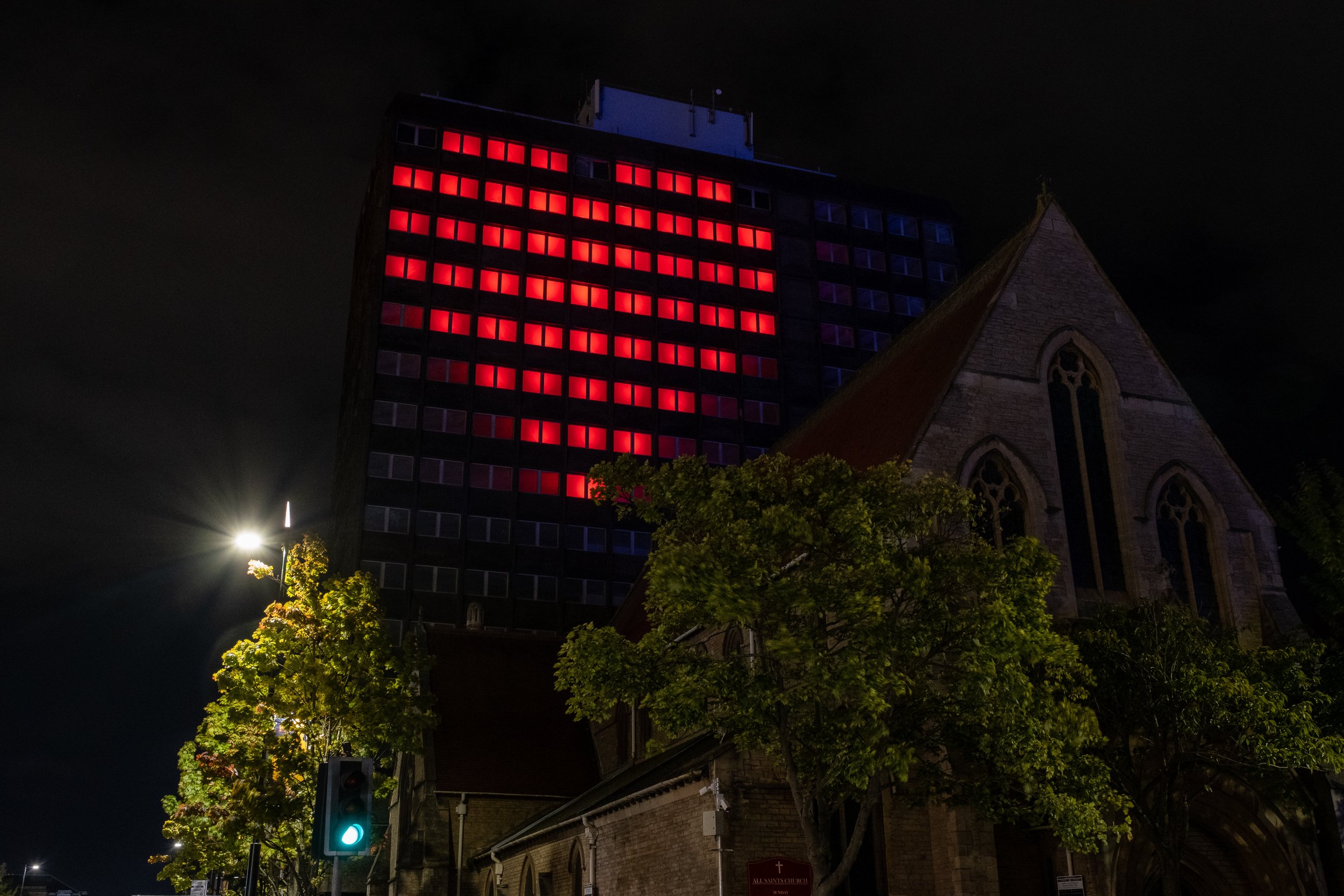
Stuart Langley’s ‘Beating Heart’ from Middlesbrough Art Week 2021.
After a quick browse in the comments section of articles about the City of Culture longlist you’ll find an endless supply of negativity and misinformation. Let’s clear a few things up.
Yes, we know, Middlesbrough does not have city status. You don’t need to be a city to apply. Below you’ll find some snippets all about the City of Culture application and the benefits of winning from the official UK Gov website.
Among the cesspit of keyboard warriors you’ll see that much of our population have a negative view of the places who made the City of Culture longlist.
We know that Middlesbrough isn’t all sunshine and rainbows but it’s packed with plenty of positives, many possibilities and amazing people. City of Culture 2029 is exactly what we need. This year, we’ll see the prestigious Turner Prize come to town, in 2030 we’ll celebrate 200 years of this glorious place we call home and City of Culture is the perfect addition to the town’s bold and bright steps in the right direction. You can read the full expression of interest here.
The purpose of City of Culture is to celebrate and support an area with recognition and funding enabling the winner to host cultural activities which boost the economy and drive social impact. How wonderful would that be for our beloved Boro!?
The Middlesbrough Cultural Partnership was established in 2018, and is composed of local arts, heritage, and cultural organisations as the voice for creativity in the area. You can see all of the members over on Creative Factory’s website here. The Cultural Partnership is the driving force behind the bid and we’re proud to be part of it alongside many talented and passionate individuals. Middlesbrough is often misunderstood but those on the inside know the true essence of our charming and cherished Ironopolis. It’s time to get behind our town.
We’re inviting you to join us in counteracting the trolls with some love for Boro. We’ll be diving into ghastly comment sections with a little UTB, or more. We hope to see you there!
❤️ UTB.
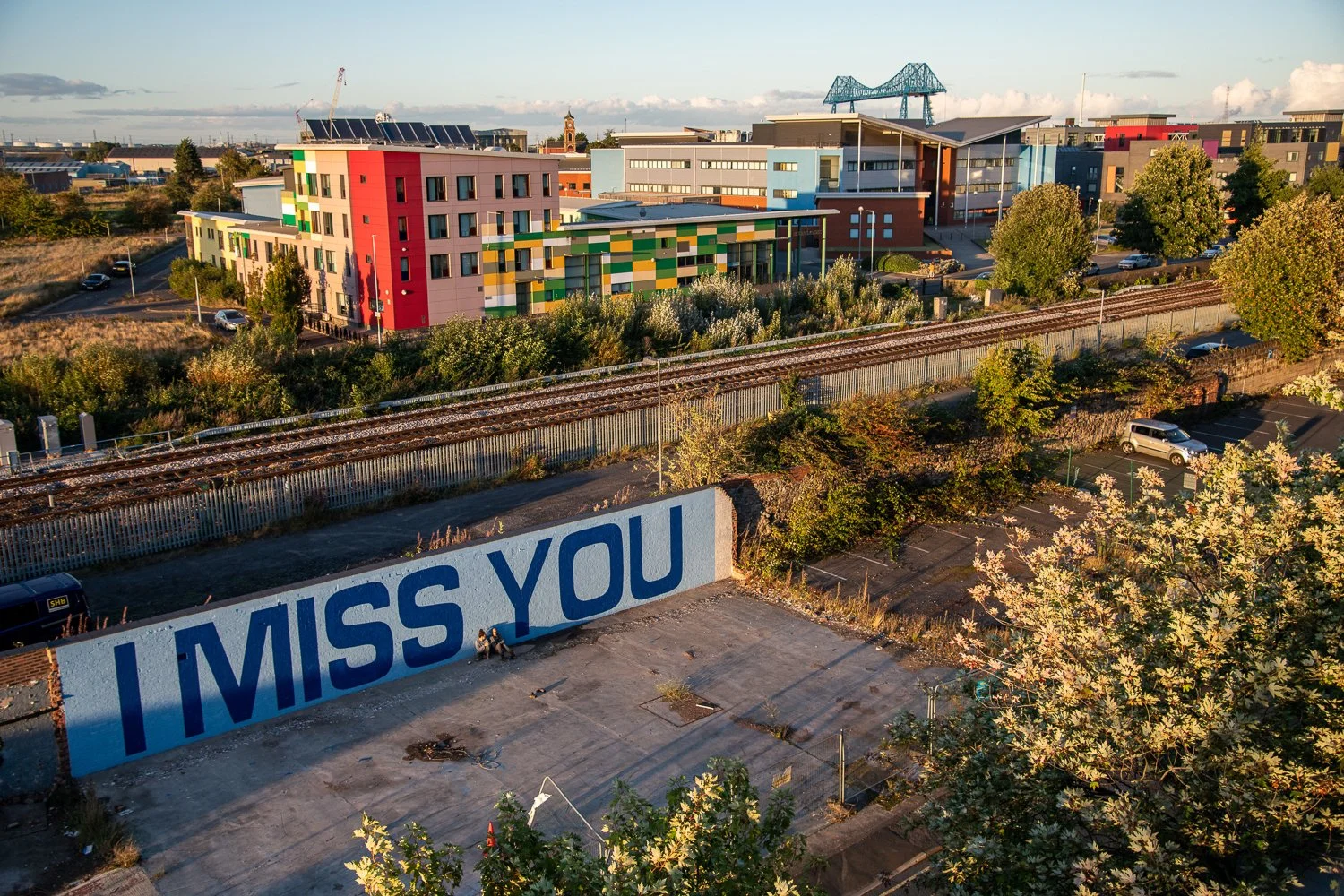
Dominic From Luton, ‘I Miss You’, Middlebrough Art Week 2021
Last year Bradford led a showstopping cultural programme of 5,000 events - over 75% of which were free - that pulled in an audience of three million, involved over 650 local artists and organisations, and resulted in capital investment for more than 30 local cultural organisations. - Gov UK website.
Taken from the official Gov UK website:
Which places can bid?
We welcome bids from places across the UK and bidding is not restricted to cities. As a guide, we also encourage bids from larger towns, regions or groups of places. Bidding places must be able to demonstrate a clear central focus and cohesive identity to the area. Part of the programme can be delivered in a wider hinterland, including rural areas, and bidders are encouraged to consider how their longer-term strategy will engage and benefit surrounding communities.
What is a UK City of Culture?
The UK City of Culture competition is a UK-wide programme run by the government’s Department for Culture, Media and Sport (DCMS). It is designed to recognise and celebrate the culture of cities and contribute to regeneration and cultural participation through a year-long cultural programme.
The title of UK City of Culture is awarded every four years. The first UK City of Culture was Derry-Londonderry in 2013, followed by Hull in 2017 and Coventry in 2021.
Benefits
For the first time ever, there will be a confirmed cash prize of £10 million for the UK City of Culture winner to help them deliver a show-stopping year of rich cultural activity rooted in their unique identities and drawing on local strengths and stories. The three most impressive bids from places that reach the shortlist but are not selected as the winner will receive £125,000 each to help them to take forward elements of their bid.
Last year Bradford led a showstopping cultural programme of 5,000 events - over 75% of which were free - that pulled in an audience of three million, involved over 650 local artists and organisations, and resulted in capital investment for more than 30 local cultural organisations. Bradford’s year in the spotlight also led to increased opportunities for local people to get involved with events, with over 87,000 residents taking part in key projects throughout the year.
There is also evidence that bidding to win City of Culture in its own right brings many benefits, including supporting a place to develop its cultural strategy and bring together key partners.
The benefits of holding the title of UK City of Culture are clear. The success of previous winners Derry/Londonderry, Hull, Coventry and Bradford demonstrates how the programme can drive positive economic and social outcomes, develop lasting local, national and international partnerships, and bring people together. It can also strengthen communities, build a sense of place and inspire local pride, celebrating and boosting local and grassroots arts and culture, and attract new investment and tourism.
Research has shown that the UK City of Culture programme so far (not including Bradford 2025) has stimulated additional investment of over £1 billion, and that more than 70% of attendees to UK City of Culture events feel a greater sense of pride. In the first six months of Bradford’s title year, their programmes reached over one million people, including 11,000 pupils and more than 2,000 volunteers from every ward in the district. We also know that the benefits for places extend well beyond their title year, leading to a lasting legacy of social, cultural, and economic change.
The UK City of Culture competition aims to celebrate and support communities in places up and down the UK to use culture as a catalyst for transforming places and the lives of people through driving growth and good jobs, creating richer lives with choices and opportunities for all, and building a more socially cohesive country where communities feel proud of their place and empowered to change it. Being named UK City of Culture is a transformational moment in a place’s growth and the competition is an opportunity for places and communities to raise their ambitions and put culture and creativity at the heart of their plans for transformation and aspirations for the future.